Frenectomy Dentist for Tongue & Lip Ties in Oklahoma City
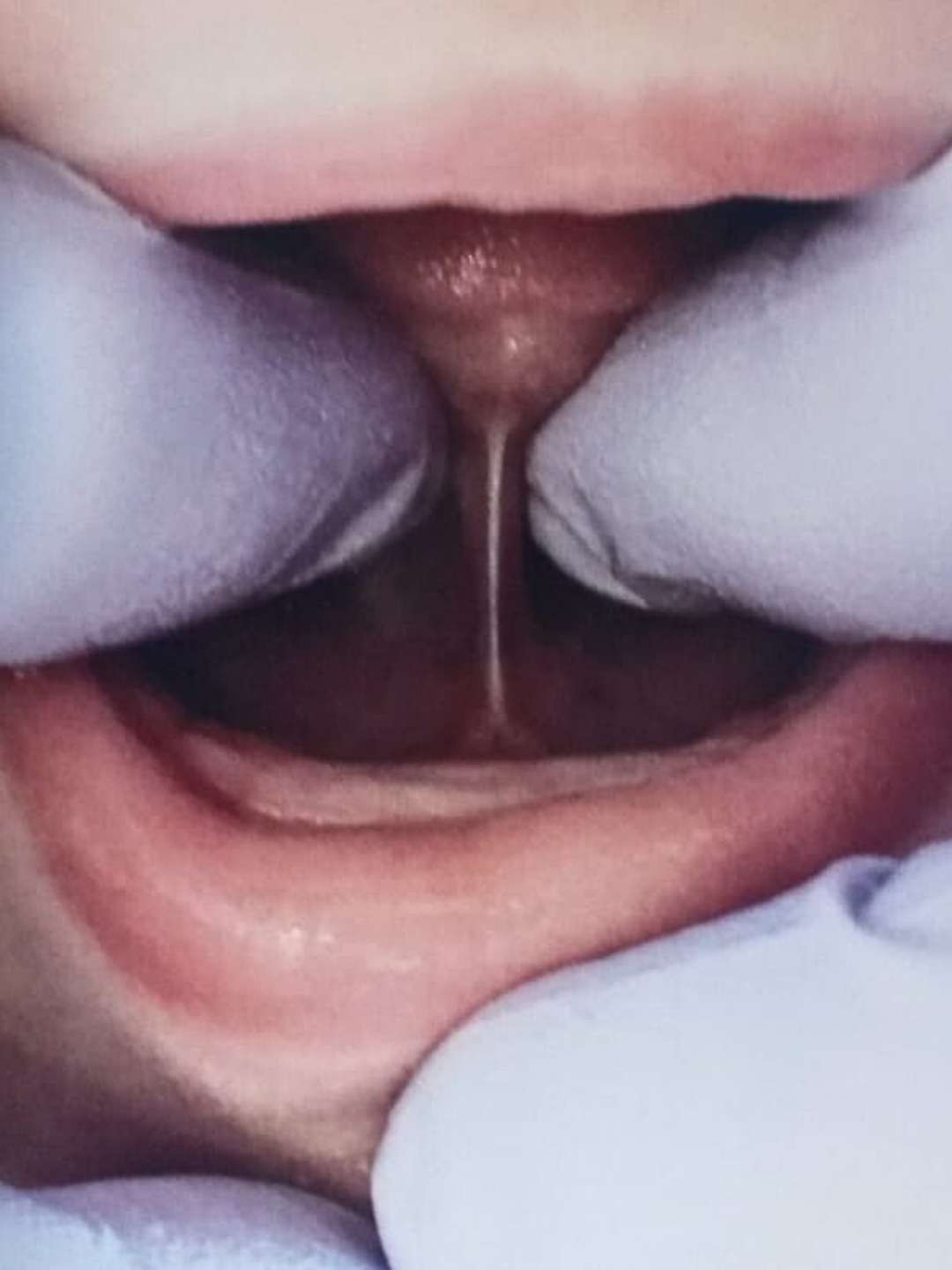
Tethered Oral Tissues such as Tongue Ties, Lip Ties, and Buccal (cheek) Ties can affect breastfeeding, speech, facial growth, airway function and overall oral development. We take a gentle, collaborative, and functional approach to diagnosing and treating oral ties in patients of all ages.

Understanding Tongue, Lip & Buccal Ties
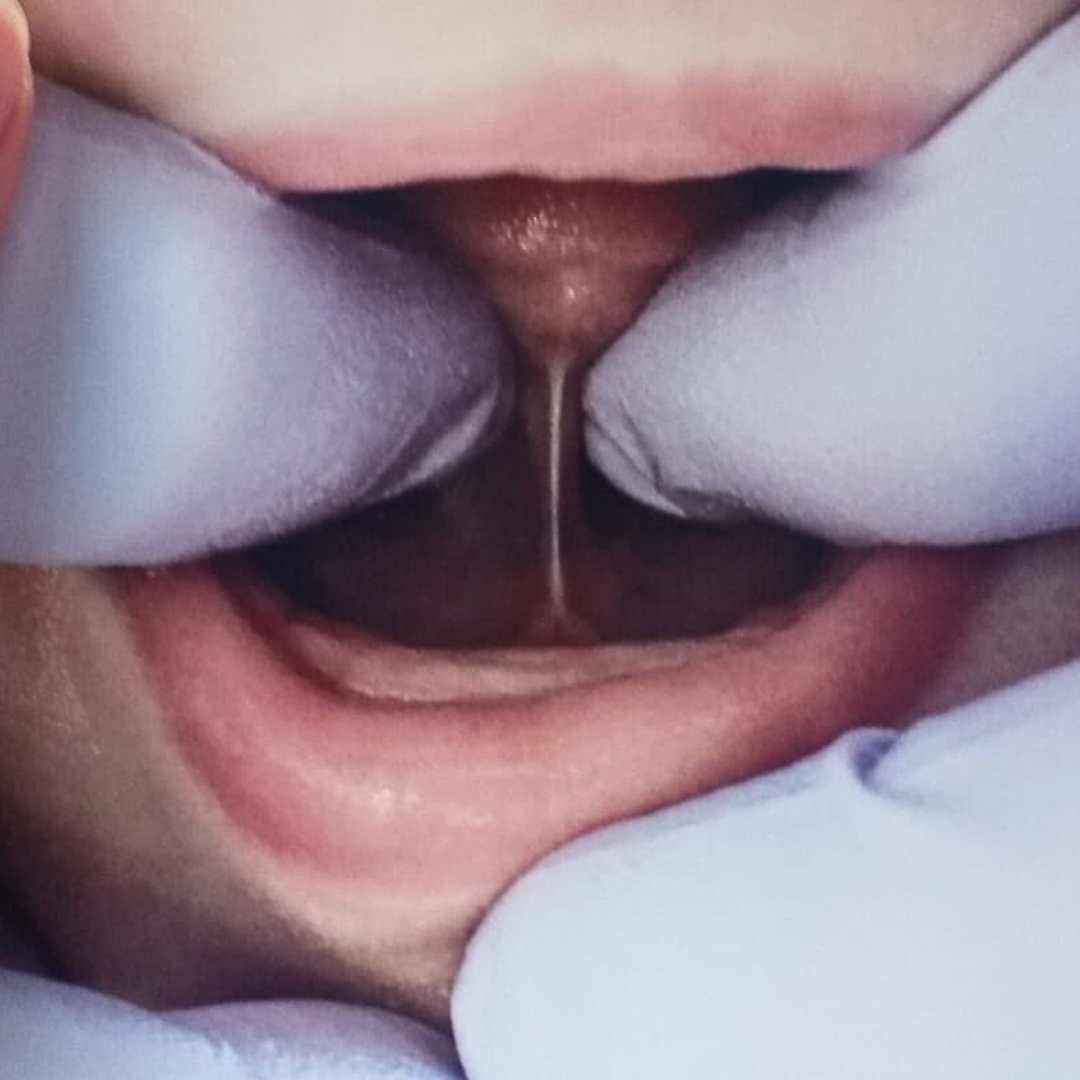
What Are Tethered Oral Tissues or “Tongue Ties”?
Tethered oral tissues occur when the connective tissue under the tongue, lip, or inside the cheek is unusually tight or restrictive. This can limit movement, affect feeding and speech, and interfere with proper oral-facial development.
Why Oral Ties Matter
Depending on severity and symptoms, oral ties may contribute to:
Difficulty breastfeeding or bottle feeding
Speech challenges or unclear speech
Picky eating, gagging, or food refusal
Dental crowding or altered facial growth
Mouth breathing
Sleep disruptions
Jaw tension or headaches
Airway restriction
Because oral ties impact function—not just appearance—an evaluation from an experienced provider is essential.
Symptoms by Age Group

Infants
Shallow latch
Clicking while nursing
Long feeding sessions
Milk leakage
Reflux or gassiness
Poor weight gain
Maternal nipple pain

Toddlers & Children
Difficulty transitioning to solids
Picky eating
Speech delays
Mouth breathing
Snoring or restless sleep
Dental crowding

Teens & Adults
Jaw or neck tension
Tongue fatigue while speaking
TMJ discomfort
Sleep or airway issues
Orthodontic relapse
Dr. Bailey Schnebel Coleman’s Expertise in Treating Tongue Ties
A National Leader in Tongue & Lip Tie Care
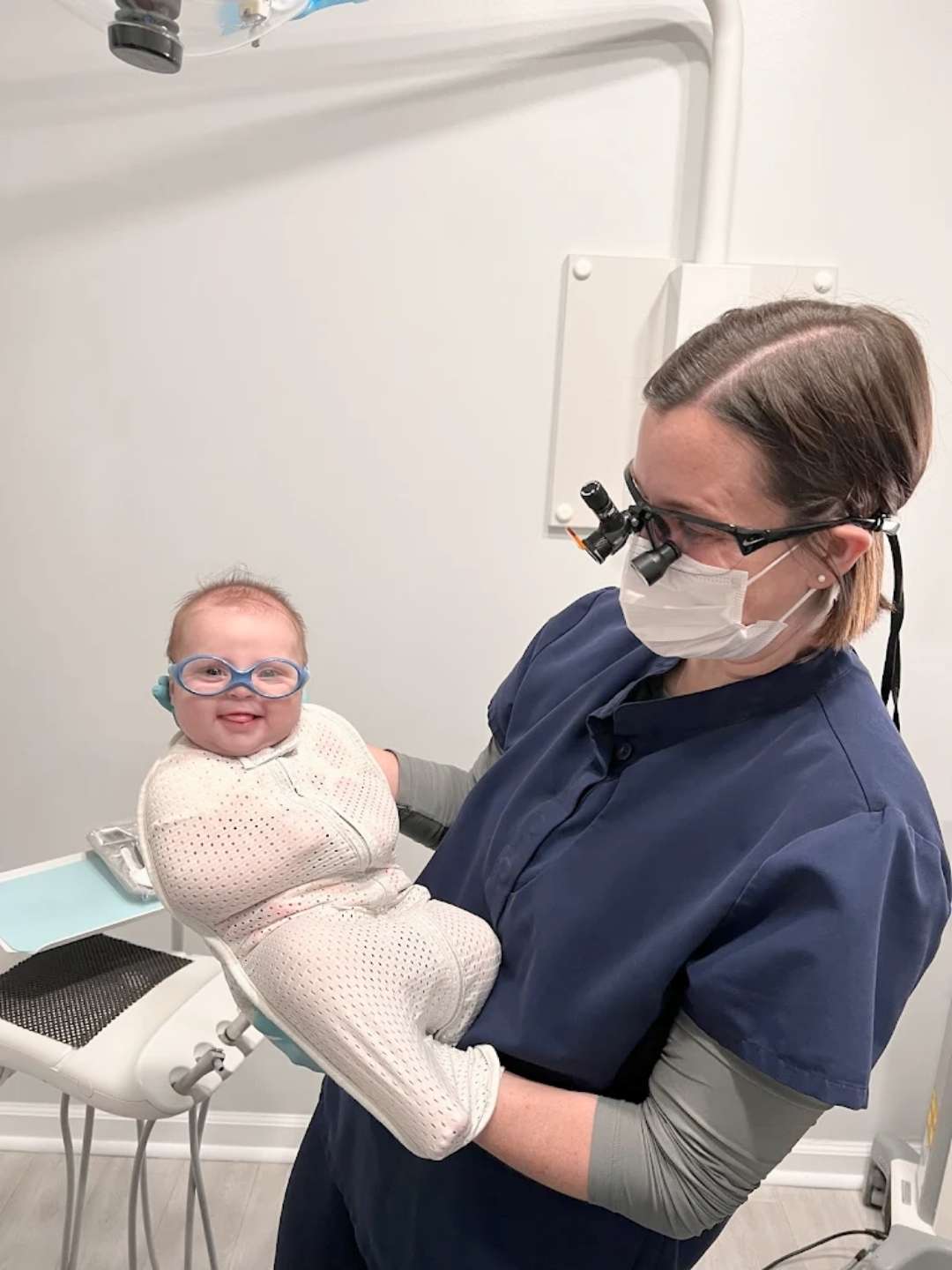
Dr. Coleman is well-known across the United States for her experience treating oral ties. She lectures nationally and partners closely with other healthcare providers to ensure each patient receives thorough, individualized care.
A Personal & Professional Understanding
As both a dentist and a mother of children with oral ties, Dr. Coleman brings empathy, clarity, and firsthand insight to every patient she treats.

Evaluation Process
A Comprehensive & Collaborative Process

Functional Assessment
Dr. Coleman evaluates:
Oral mobility
Breastfeeding or feeding function
Speech and swallowing patterns
Tongue and lip posture
Airway and breathing
Growth and facial development

Collaboration with Trusted Providers
Patients often benefit from multidisciplinary care. Dr. Coleman collaborates with:
Difficulty transitioning to solids
Picky eating
Speech delays
Mouth breathing
Snoring or restless sleep
Dental crowding
This ensures treatment supports whole-body function—not just oral mobility.
Treatment Approach

Frenectomy Procedure
When indicated, Dr. Coleman performs a precise release of the restrictive tissue.
Her approach focuses on function, comfort, and long-term improvement.

What to Expect
What Happens During the Appointment
A calm, supportive environment
A gentle, efficient procedure
Clear guidance at every step
Opportunity to feed immediately afterward when appropriate

Aftercare & Healing
Treatment may include:
Functional exercises (as appropriate)
Follow-up visits
Guidance from SLPs, IBCLCs, or therapists
Support for mobility, feeding, and healing patterns


CONTACT US
MANICURE | PEDICURE | SPA








What Our Patients Are Saying

Frequently Asked Questions
How do I know if my child needs a release?
A functional exam is necessary—symptoms vary from patient to patient.
Is a tongue tie release painful?
Dr. Coleman uses gentle techniques and prioritizes comfort throughout treatment.
Do all tongue ties need treatment?
No. A release is recommended only when function is impacted.
Will the tie grow back?
With proper aftercare and healing support, recurrence is rare.
Will insurance cover the procedure?
Coverage varies, but we will help you submit any needed documentation.
Schedule an Evaluation
If you're concerned about breastfeeding challenges, speech development, airway issues, or oral function, we’re here to help.

Call our Midtown OKC office to schedule a consultation with Dr. Coleman.



Opening Hours
Monday–Friday: 8:00am-–5:00pm
Closed on weekends
NAVIGATION